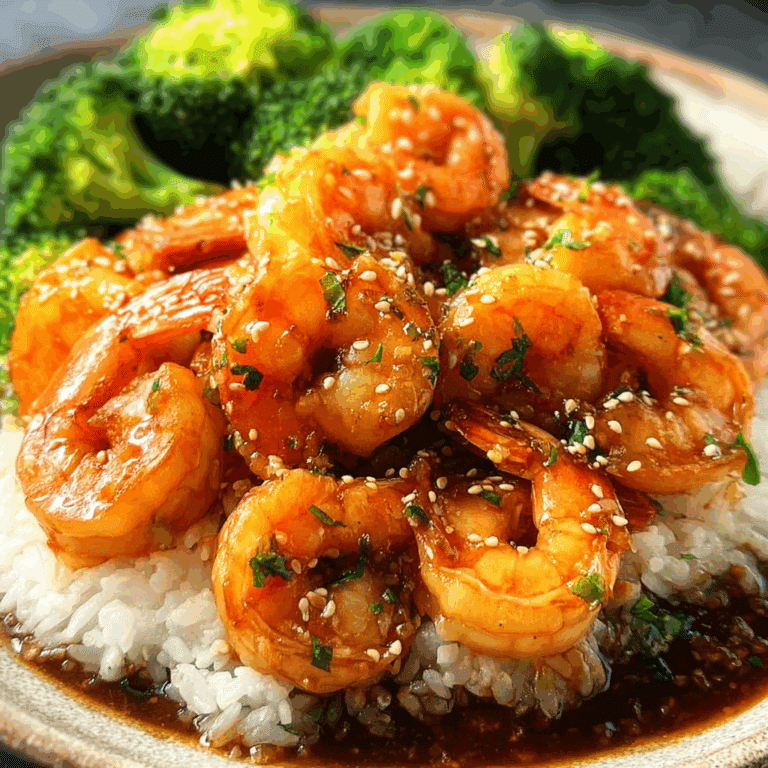
Texas Roadhouse Salmon Recipe

If you’ve ever wondered how to bring the delicious, tender, and flavorful experience of Texas Roadhouse right into your own kitchen, you’re in the right place. This Texas Roadhouse Salmon Recipe is a game-changer that combines perfectly seasoned salmon with a juicy, flaky texture, capturing that restaurant-quality taste with simple ingredients and easy techniques anyone can follow. Whether you’re a seafood lover or just looking for a new favorite meal, this recipe is sure to satisfy your cravings and impress your family and friends.
Why You’ll Love This Recipe
- Rich Flavor Profile: The blend of seasonings delivers a smoky, savory taste that enhances the natural salmon without overpowering it.
- Simple Ingredients: Uses everyday pantry staples that make it easy to whip up anytime without hunting for rare spices.
- Quick Preparation: Perfect for busy weeknights with minimal prep and cook time but maximum deliciousness.
- Healthy and Nutritious: Salmon is packed with omega-3s and protein, making it a wholesome meal choice.
- Restaurant Quality at Home: Achieve that juicy, tender texture just like your favorite Texas Roadhouse dish.
Ingredients You’ll Need
The magic behind this Texas Roadhouse Salmon Recipe comes from a few key ingredients that work harmoniously to create a robust flavor, perfect texture, and inviting color. Each component plays a role, whether it’s boosting taste, moisture, or crunch.
- Fresh Salmon Fillets: Opt for skin-on, wild-caught if possible, for the best taste and texture.
- Olive Oil: Adds healthy fat and helps crisp the skin for a perfect finish.
- Brown Sugar: Brings a subtle sweetness and helps create that caramelized crust.
- Paprika: Adds depth and a smoky note reminiscent of the classic Texas Roadhouse flavor.
- Garlic Powder: Gives a savory punch that enhances aroma and taste.
- Onion Powder: Provides a gentle sweetness and balances the seasoning.
- Cayenne Pepper: Kick up the heat just the right amount for a mild spice.
- Salt and Black Pepper: Universal seasonings that bring all the flavors together.
- Lemon Wedges: To brighten and finish off the salmon with fresh citrus zing.
Variations for Texas Roadhouse Salmon Recipe
This recipe is wonderfully adaptable, inviting you to put your own spin on it based on what you have available or your dietary preferences. Feel free to experiment—it’s as easy as swapping a few ingredients or adjusting flavors.
- Herb Infusion: Add fresh dill or parsley for a herbal lift that complements the salmon perfectly.
- Spicy Twist: Increase cayenne pepper or incorporate chili powder for those who love heat.
- Glazed Version: Brush salmon with a honey glaze before baking to add sweetness and stickiness.
- Smoky Chipotle: Swap paprika with chipotle powder to deepen the smoky flavor profile.
- Low-Sodium Option: Reduce salt and use lemon zest to keep flavors bright without overdoing sodium.

How to Make Texas Roadhouse Salmon Recipe
Step 1: Prepare the Salmon Fillets
Start by patting your salmon fillets dry with paper towels to remove excess moisture, which ensures a better sear and crispier skin. Then lightly brush olive oil over both sides to keep the fish moist during cooking and help the spices stick.
Step 2: Mix the Seasoning
In a small bowl, combine brown sugar, paprika, garlic powder, onion powder, cayenne pepper, salt, and black pepper. Mix thoroughly so all the flavors blend well, forming your signature Texas Roadhouse-style seasoning.
Step 3: Season the Salmon
Generously sprinkle the seasoning blend over the salmon fillets, pressing lightly to help it adhere. Make sure to coat both sides evenly for a balanced flavor in every bite.
Step 4: Cook the Salmon
Heat a skillet over medium-high heat and add a touch more olive oil. Place the salmon skin-side down first, cooking for 4-5 minutes until the skin is crisp and golden. Flip carefully to the other side and cook for another 3-4 minutes or until the salmon flakes easily with a fork.
Step 5: Finish and Serve
Remove the salmon from heat, squeeze fresh lemon juice on top, and let it rest for a couple of minutes. This final touch brightens the flavors and makes your dish sing with freshness.
Pro Tips for Making Texas Roadhouse Salmon Recipe
- Pat Dry First: Ensuring your salmon is dry before applying oil and seasoning helps achieve the perfect crisp on the skin.
- Use a Hot Pan: Preheat your skillet well so the salmon sears without sticking or overcooking.
- Skin-On Fillets: Leaving skin on helps hold the fish together and adds wonderful texture.
- Don’t Overcook: Salmon is done when it flakes easily but is still moist inside — about 125°F internally is ideal.
- Let It Rest: Allow salmon to rest after cooking to redistribute juices for maximum tenderness.
How to Serve Texas Roadhouse Salmon Recipe
Garnishes
A simple garnish like fresh lemon wedges, chopped parsley, or a sprinkle of green onions not only adds color but lifts the overall flavor, making each serving look and taste like a masterpiece.
Side Dishes
The salmon pairs wonderfully with a variety of sides: think creamy mashed potatoes, roasted vegetables, fluffy rice pilaf, or a fresh green salad for balance and texture contrast.
Creative Ways to Present
For gatherings or special meals, serve your salmon over a bed of quinoa or alongside grilled asparagus, drizzle with a light garlic butter sauce, or plate it over mixed greens with a citrus vinaigrette for an elegant presentation.
Make Ahead and Storage
Storing Leftovers
Place leftover cooked salmon in an airtight container and refrigerate within two hours of cooking. It will stay fresh for up to 3 days and is perfect for quick lunches or dinners.
Freezing
If you want to freeze cooked salmon, wrap portions tightly in plastic wrap and foil, then store in a freezer-safe bag to prevent freezer burn. Use within 2 months for the best taste and texture.
Reheating
To reheat without drying out the salmon, warm it gently in a low oven at 275°F wrapped in foil or microwave covered with a damp paper towel for short intervals, checking often.
FAQs
Can I use frozen salmon for this recipe?
Yes, frozen salmon works great; just make sure to thaw it completely and pat dry to avoid soggy texture before seasoning and cooking.
What can I substitute for brown sugar?
If you prefer less sugar or don’t have brown sugar, a bit of honey or maple syrup works well, though you may want to reduce the amount slightly to avoid burning.
Is this recipe gluten-free?
Absolutely! All ingredients used are naturally gluten-free, making this a safe and delicious option for those avoiding gluten.
How spicy is the cayenne pepper in this recipe?
The cayenne pepper adds a mild heat that complements the smoky spices without overwhelming the salmon, but you can adjust the amount to suit your taste buds.
Can I bake instead of pan-searing the salmon?
Yes, baking at 400°F for about 12-15 minutes works well, especially if you prefer a hands-off approach, just be mindful of cooking times to keep it tender.
Final Thoughts
Making this Texas Roadhouse Salmon Recipe at home is like inviting a little slice of your favorite restaurant right to your table. With simple ingredients, straightforward steps, and tips to nail that perfect texture and flavor, you’ll find yourself making it again and again. So don’t wait—get cooking and savor every bite of this sensational salmon dish that’s bound to become a family favorite.
Related Posts
- Italian Turkey Meatballs with Tomato Sauce
- Italian Turkey Meatballs with Tomato Sauce
- Turkey Meatloaf with Zucchini
Texas Roadhouse Salmon Recipe

This Texas Roadhouse Salmon Recipe brings the rich, smoky, and savory flavors of the beloved restaurant right into your kitchen. Featuring perfectly seasoned, tender, and juicy salmon fillets with a crispy skin finish, this easy-to-make dish uses simple, everyday ingredients to create a healthy and impressive meal that’s packed with omega-3s and protein, ideal for any weeknight or special gathering.
- Prep Time: 10 minutes
- Cook Time: 8-10 minutes
- Total Time: 18-20 minutes
- Yield: 4 servings 1x
- Category: Main Course
- Method: Pan-Searing (optionally Baking)
- Cuisine: American
- Diet: Gluten Free
Ingredients
Main Ingredients
- 4 skin-on fresh salmon fillets (wild-caught preferred)
- 2 tablespoons olive oil
- 1 tablespoon brown sugar
- 1 tablespoon paprika
- 1 teaspoon garlic powder
- 1 teaspoon onion powder
- 1/4 teaspoon cayenne pepper
- 1 teaspoon salt
- 1/2 teaspoon black pepper
- Lemon wedges, for serving
Instructions
- Prepare the Salmon Fillets: Pat the salmon fillets dry thoroughly with paper towels to remove excess moisture. Lightly brush olive oil over both sides of the fillets to keep them moist during cooking and help the seasoning adhere.
- Mix the Seasoning: In a small bowl, combine brown sugar, paprika, garlic powder, onion powder, cayenne pepper, salt, and black pepper. Stir well to blend all the flavors evenly.
- Season the Salmon: Generously sprinkle the seasoning mixture over both sides of the salmon fillets, pressing lightly to ensure the spices stick and provide balanced flavor.
- Cook the Salmon: Heat a skillet over medium-high heat and add a bit more olive oil. Place the salmon fillets skin-side down and cook for 4-5 minutes until the skin is crisp and golden. Flip carefully and cook the other side for an additional 3-4 minutes, or until the salmon flakes easily with a fork and reaches an internal temperature of about 125°F.
- Finish and Serve: Remove the salmon from the heat, squeeze fresh lemon juice on top, and let it rest for a couple of minutes. This brightens the dish and allows juices to redistribute for a tender, flavorful finish.
Notes
- Pat the salmon dry before applying oil and seasoning to achieve a crisp skin.
- Preheat the skillet well to prevent sticking and ensure a good sear.
- Keep the salmon skin-on for better texture and to help the fillet hold together.
- Avoid overcooking; salmon is best when it flakes easily but remains moist.
- Allow the salmon to rest after cooking for maximum tenderness.
Nutrition
- Serving Size: 1 salmon fillet
- Calories: 350 kcal
- Sugar: 3 g
- Sodium: 500 mg
- Fat: 22 g
- Saturated Fat: 3 g
- Unsaturated Fat: 18 g
- Trans Fat: 0 g
- Carbohydrates: 5 g
- Fiber: 0 g
- Protein: 32 g
- Cholesterol: 90 mg
Keywords: Texas Roadhouse, salmon recipe, pan-seared salmon, smoky salmon, healthy seafood, dinner, easy salmon, gluten free